Construction projects, big or small always leave behind one stubborn challenge: fine drywall dust. It settles on every surface, floats into air vents, embeds itself in floors, and creeps into places you didn’t even know existed. For homeowners and contractors across Miami-Dade County, this issue can be even more frustrating due to South Florida’s humidity, coastal airflow, and high-traffic building environments.
If you’ve recently completed a remodel or new build, this guide breaks down exactly how to handle fine drywall dust the right way, why DIY often falls short, and when professional post-construction cleaning becomes essential.
Why Drywall Dust Is So Difficult to Remove
Drywall dust is not like regular household dust. It’s much finer, almost powder-like, and contains gypsum particles that easily become airborne and settle deeply into porous surfaces.
1. Extremely Lightweight Particles
Drywall dust floats for hours after being disturbed. Even opening a door or turning on a fan can reintroduce dust into areas you already cleaned.
2. South Florida Humidity Affects It
Miami-Dade’s humidity causes drywall dust to cling more strongly to surfaces, especially glass, tile, and AC vents. Moisture also causes it to clump, making removal trickier.
3. It Embeds Into Every Surface
Drywall dust settles into:
- grout lines
- carpet fibers
- window tracks
- electrical outlets
- vents and ducts
- cabinet hardware
- baseboard crevices
Because it’s so fine, it slips into the smallest openings.
Tools Professionals Use to Remove Fine Drywall Dust
Post-construction cleaning is not the same as standard cleaning. Professionals in Miami-Dade County rely on specialized equipment to safely and effectively remove drywall dust.
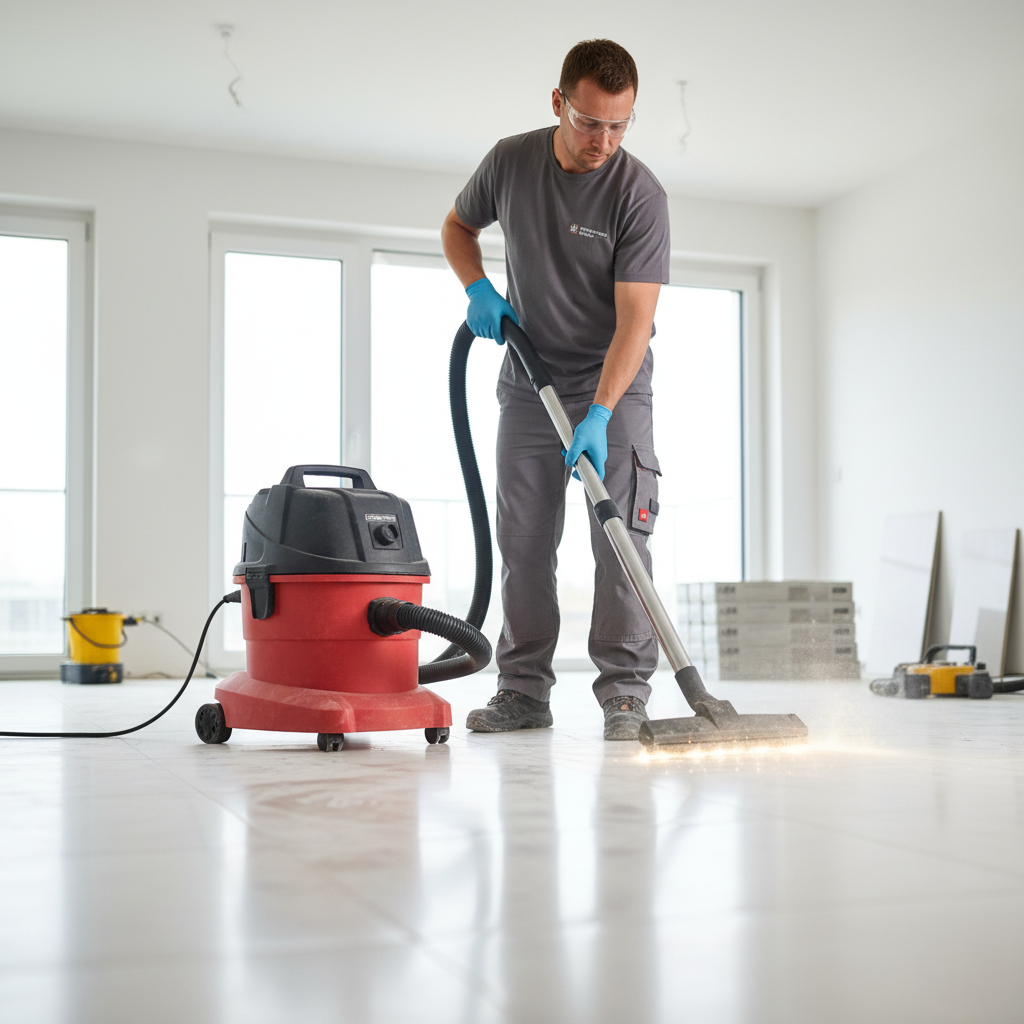
1. Commercial-Grade HEPA Vacuums
HEPA filtration traps the microscopic drywall particles that regular vacuums simply blow back into the air.
Why it matters:
Drywall dust is too small for standard vacuums, which can actually spread the dust further around your home.
2. Microfiber Cloths and Mops
Microfiber captures dust rather than smearing it or dispersing it.
Why it matters:
Drywall dust clings to surfaces, and microfiber traps it electrostatically.
3. Dry Dusting Before Wet Cleaning
Professionals always start dry and then move to damp methods.
Why it matters:
If drywall dust gets wet too early, it becomes a paste-like residue that sticks to everything.
4. Air Scrubbers and Negative Air Machines
These machines pull fine particles from the air so the dust doesn’t resettle after cleaning.
Why it matters:
Miami-Dade County homes often run AC constantly, circulating dust through ductwork. Air scrubbers stop this cycle.
Step-by-Step Guide to Handling Drywall Dust After Construction
Here is the proper method, used by professional post-construction cleaners:
1. Start with a Top-to-Bottom Dry Dusting
Begin with the highest surfaces: ceiling fans, shelves, top cabinets, and work your way down.
This prevents dust from falling onto areas you have already cleaned.
2. Vacuum with a HEPA Machine
HEPA vacuums remove the majority of fine particles from:
- floors
- baseboards
- vents
- window channels
- carpets
Vacuuming should be repeated more than once due to how drywall dust resurfaces.
3. Clean All Light Fixtures and Switch Plates
Even tiny electrical switch plates can trap large amounts of dust.
4. Wipe All Flat Surfaces with a Damp Microfiber
Once dry dusting and HEPA vacuuming are complete, damp microfiber cloths pick up any remaining fine residue.
5. Clean HVAC Vents and Replace Filters
This step is crucial in Miami-Dade County.
Dust gets pulled directly into AC intakes, clogging filters and reducing airflow.
6. Mop Hard Floors Twice
The first mop removes the majority of dust.
The second mop removes the film left behind.
A pH-neutral cleaner is recommended to avoid damaging tile or wood.
7. Perform a Final Air Quality Check
Professionals use meters or air scrubbers to ensure drywall dust levels have dropped to safe limits.
Common DIY Mistakes That Make Drywall Dust Worse
Homeowners often attempt to clean drywall dust themselves, but certain mistakes make the problem significantly worse.
1. Using a Regular Vacuum
Regular vacuums blow fine particles into the air and clog the motor.
2. Turning on Fans During Cleaning
Airflow from ceiling fans or standing fans scatters dust across the entire house.
3. Wet Mopping Before Dusting
Wet dust turns into a glue-like residue that becomes even harder to remove.
4. Forgetting About Vertical Surfaces
Walls, doors, and trim collect dust too not just floors.
5. Ignoring the Air Conditioner
In Miami-Dade County, AC systems circulate dust nonstop unless filters are replaced immediately after construction.
Why Post-Construction Cleaning Is Essential in Miami-Dade County
Homes in South Florida experience unique environmental challenges during and after construction.
Humidity causes dust to stick more tightly.
Drywall dust bonds to surfaces, making it harder to remove without professional tools.
Air conditioning systems run constantly.
This spreads drywall dust throughout your home rapidly.
High foot traffic means more dust movement.
Open windows, frequent in-and-out movement, and construction crews tracking materials inside all contribute.
Because of these local conditions, post-construction cleaning must be more thorough in Miami-Dade County compared to drier regions.
When to Hire a Professional Cleaning Team
You should consider professional post-construction cleaning if:
- dust keeps reappearing after you clean
- Your AC vents are visibly coated
- You notice haze on mirrors or windows
- floors feel dusty even after mopping
- The drywall dust smell lingers
- Multiple rooms or levels were renovated
Professional cleaners ensure the home is a move-in-ready spotless, safe, and fresh.
Final Thoughts
Fine drywall dust is more than a simple inconvenience. It affects air quality, damages surfaces, and can take weeks to fully settle unless handled correctly. For residents and contractors in Miami-Dade County, humidity and constant AC use make professional post-construction cleaning even more essential.
Call to Action
With the right tools, strategy, and cleaning sequence, drywall dust can be fully eliminated, leaving your home clean, comfortable, and ready to enjoy. Contact us today!